Website and product design for AI startups that need buyers to get it fast.
Brand, website and product design for AI and developer tool companies, from one senior team. Drizz, Riveter and Pinpoint went from kickoff to launch in 4 to 6 weeks.
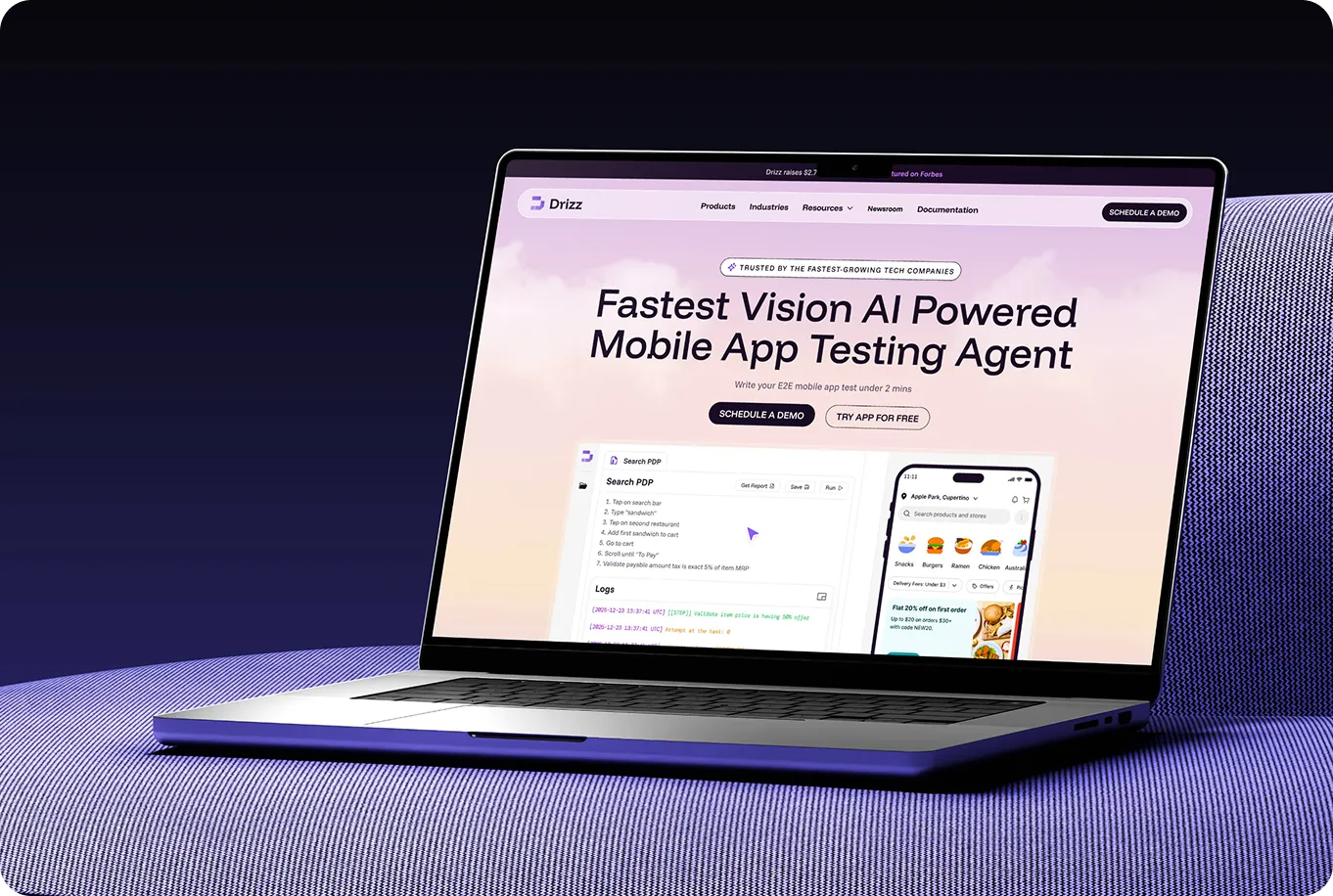
- more active users for Drizz after the redesign
- 3.6x
- from kickoff to launch for Drizz, Pinpoint and Riveter
- 4 to 6 weeks
- average engagement time on the Drizz site after launch
- 30s to 150s




What does a design partner do for an AI startup?
A design partner makes a technical AI product easy to understand and easy to trust. That means clear positioning, a site built for both engineers and buyers, visuals that show how the product works, and a build your team can edit. Our sites for Drizz, Riveter and Pinpoint launched in 4 to 6 weeks.
Also worked with LlamaIndex, QApilot, arbr, Serval, LiteLLM, Antigen.
Why AI product sites lose buyers who should have converted.
The product is strong. The site is the weakest part of the funnel. These are the patterns we keep fixing.
- 01
The product is hard to see
AI products do their work out of sight, and screenshots can't show it. Drizz's old site explained a dynamic product with static images, so visitors couldn't tell what the AI was doing.
- 02
Engineers and buyers get one message
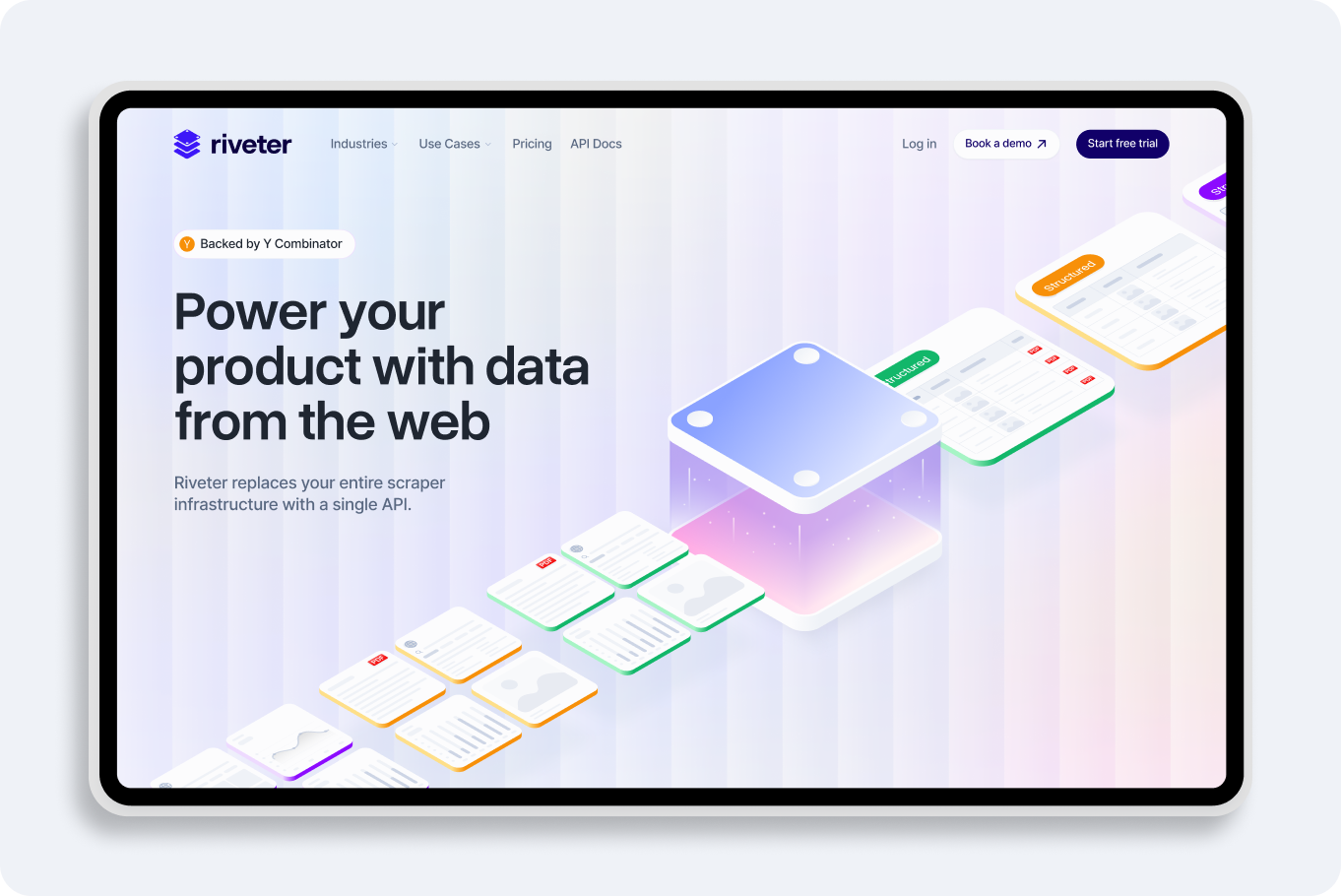
Riveter's site talked to engineers and product teams at once, with use cases and industries crammed onto the same page. Neither audience got a clear answer to whether it was for them.
- 03
Nothing says it's a real company
Infrastructure buyers quietly ask whether a vendor is real. Drizz had no case studies or social proof when enterprise buyers came to check it out.
- 04
The site can't keep up with the product
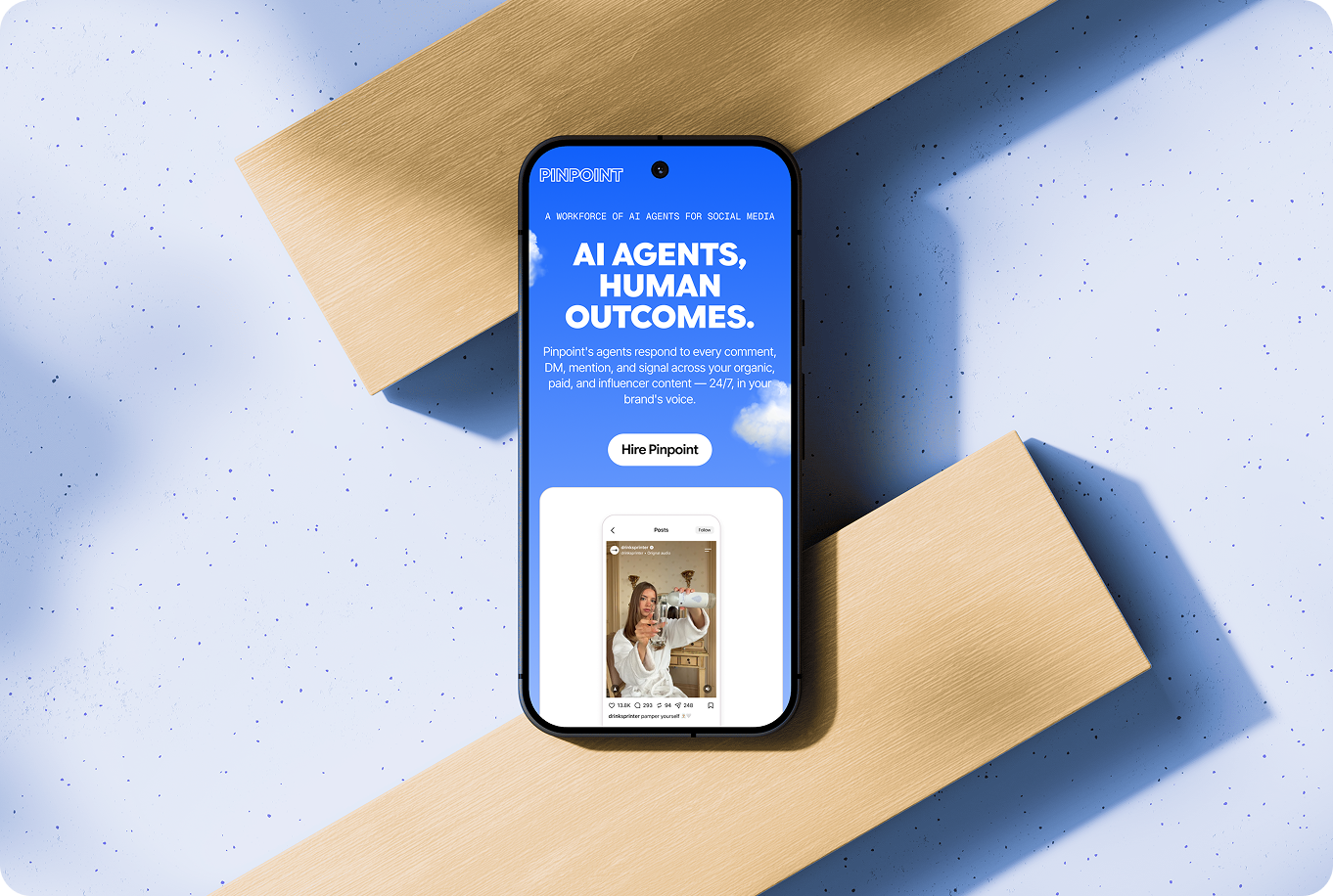
Pinpoint's first site did its job, then the product grew and the use cases multiplied. The site started hiding capabilities instead of showing them.
What we do for AI and developer tool companies.
Strategy through launch, done by one team. Nothing is handed to a third party.
- 01
Positioning and messaging
Who the product is for and what it replaces, in a sentence a buyer can repeat. Riveter's founder credited the refined copy and messaging for better leads.
- 02
Site architecture
Separate paths for engineers, product teams and buyers, plus use case and industry pages. Drizz's multi-page structure became one of its main drivers of organic growth.
- 03
Illustration and motion
Custom illustrations and light animation that show how the product works in seconds, without a paragraph of explanation or a full demo.
- 04
Brand and visual system
Color, type and layout that read as a company you'd trust with a production workload, in the visual language of the category you're competing in.
- 05
Webflow or Framer build
Built so your team can add blog posts, use cases and industry pages without waiting on a developer. Riveter runs on the Webflow CMS and Pinpoint on Framer.
- 06
Product UI and design systems
Dashboards, onboarding and a design system, so the product feels like the site that sold it.
The services AI teams usually start with.
Each one is also a page of its own, with process, timeline and pricing.
What AI founders say about working with us.
“The launch went really well, we've been slammed. Getting the copy and messaging refined clearly made an impact. Leads have been really high quality and within our ICP.”
 Abby GrillsFounder and CEO, Riveter
“We started with Hexcode to build our website. As we grew, they were right there to help us rethink and reposition it for the next stage. They just get what we're trying to say and know how to turn it into a website that actually feels like us.”
 Joshua CohenFounder and CEO, Pinpoint
More reviews, including video, on The Proof
Who this is for.
The AI and developer tool teams we work with most.
- 01
Seed to Series B AI startups
Funded teams whose product has moved faster than the first version of the site, and who are about to launch, raise or sell to enterprise.
- 02
Developer tools and infrastructure
APIs, agents and testing platforms like Riveter and Drizz, where engineers evaluate the product and someone else signs off.
- 03
Products with more than one buyer
Companies like Pinpoint, where each use case has a different buyer who needs a different reason to keep reading.
- 04
Teams selling to enterprise
Products that need case studies, proof and a structure that holds up to a procurement team doing due diligence.
Do you work with early-stage AI startups?
Yes. We work with funded startups from seed to Series B, including Y Combinator-backed companies like Riveter. If you've raised and the site or product no longer matches the company, that's the right time to talk.
How long does a website for an AI startup take?
Drizz launched in 4 weeks, Pinpoint's rebuild in 4 and Riveter in 6. Larger sites with more page systems take longer. You get a detailed timeline before we start.
How do you explain a technical AI product on a website?
We show it instead of describing it. For Drizz we replaced static screenshots with animated illustrations, and for Riveter we built custom illustrations showing a five-tool stack collapsing into one API. A visitor gets the idea in seconds, and the detail sits one click deeper for engineers.
Can one site speak to both developers and business buyers?
Yes, with separate paths. Riveter's site now has use cases for what someone is building and industries for who they are, each with its own copy and call to action. Pinpoint's use case pages do the same for different buyers.
Webflow or Framer for an AI startup site?
Both work. Riveter is on Webflow with a CMS for blog posts, use cases and industry pages. Pinpoint is on Framer. We pick based on how your team will edit the site and what you plan to add next.
Will the site help us show up in search?
Yes. SEO foundations are part of every build: page structure, metadata, clean URLs, performance and analytics. For Drizz, moving from one page to a multi-page site created targeted landing pages that became one of the main drivers of organic growth.
How much does it cost?
We don't publish price tiers because scope changes the number too much. There are three ways to work with us: a fixed-scope project with a fixed timeline and price, a monthly retainer, or hourly for audits and advisory. Book a 30-minute call and you'll have a scoped proposal with deliverables, timeline and cost after it.
Who will actually work on our project?
Senior designers and developers, and a founder on every project. No account managers and no handoff to juniors after the sales call. You get a shared Slack channel with the people doing the work.
Three ways to work with us.
All built for how founders actually operate.
No 12-month retainers with vague scopes. No mystery invoices. Pick the model that fits your stage, change it when your stage changes.
Project Based
Fixed scope, fixed timeline, fixed price. For launches, MVPs, brand identities, and marketing sites, with a senior team running it end to end and weekly demos. Start here if you already know what you need built.
Retainer
A dedicated design and dev pod inside your Slack, working off weekly priorities. No scope theatre. Start here if you're shipping continuously and tired of managing freelancers.
Hourly
Direct access to our seniors for advisory, audits, design sprints, and technical reviews. No minimum commitment. Start here if you want an expert opinion before committing to something bigger.